SO-101 arm
I built the open-source SO-101 arm and taught it to pick and place. I teleoperate the follower with a matching leader arm to record demonstrations, then train an imitation-learning policy that runs the task on its own.
I'm Aerodynamics Lead for Bobcat Racing, UC Merced's FSAE team, where I designed, optimized, and manufactured the car's first carbon fiber rear wing. Off the team, I take on my own projects, most recently robotic arms I build and train.
I lead aerodynamics for Bobcat Racing, UC Merced's Formula SAE EV team. The subteam is fifteen people this year, the largest in team history, spread across the front wing, rear wing, cooling, and body panels. I set the season's milestones, run our weekly work sessions, and mentor new members in CFD. Cold outreach to more than 35 suppliers brought in over $13,000 in materials and software, nineteen times our season budget.
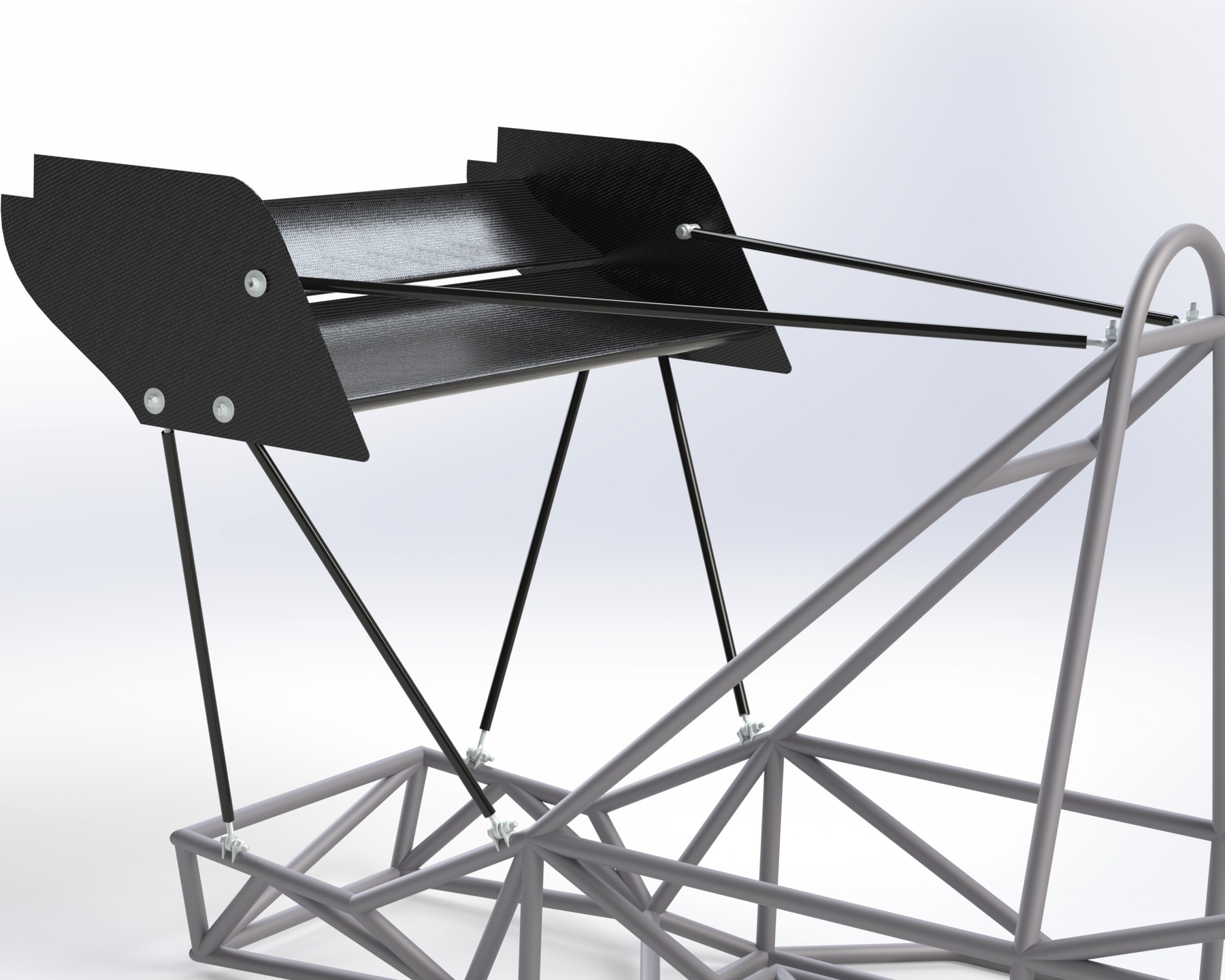
The wing has to earn its place in the car, not just in a render. I worked with the chassis team to locate the mounting hardpoints, feed the aerodynamic loads into the frame, and keep the assembly inside the Formula SAE dimensional rules.

Instead of hand-tuning the geometry, I built the loop around DAKOTA: my pipeline generates a wing configuration and evaluates it in CFD, then DAKOTA reads the drag and downforce and picks the next configuration to try. Running on UC Merced's research computing cluster, the DAKOTA MVO campaign searched the design space and converged on the wing the team built. The result makes over 50 lbf of downforce at 39 mph (17.4 m/s), roughly 50% more than the previous design at the same drag.
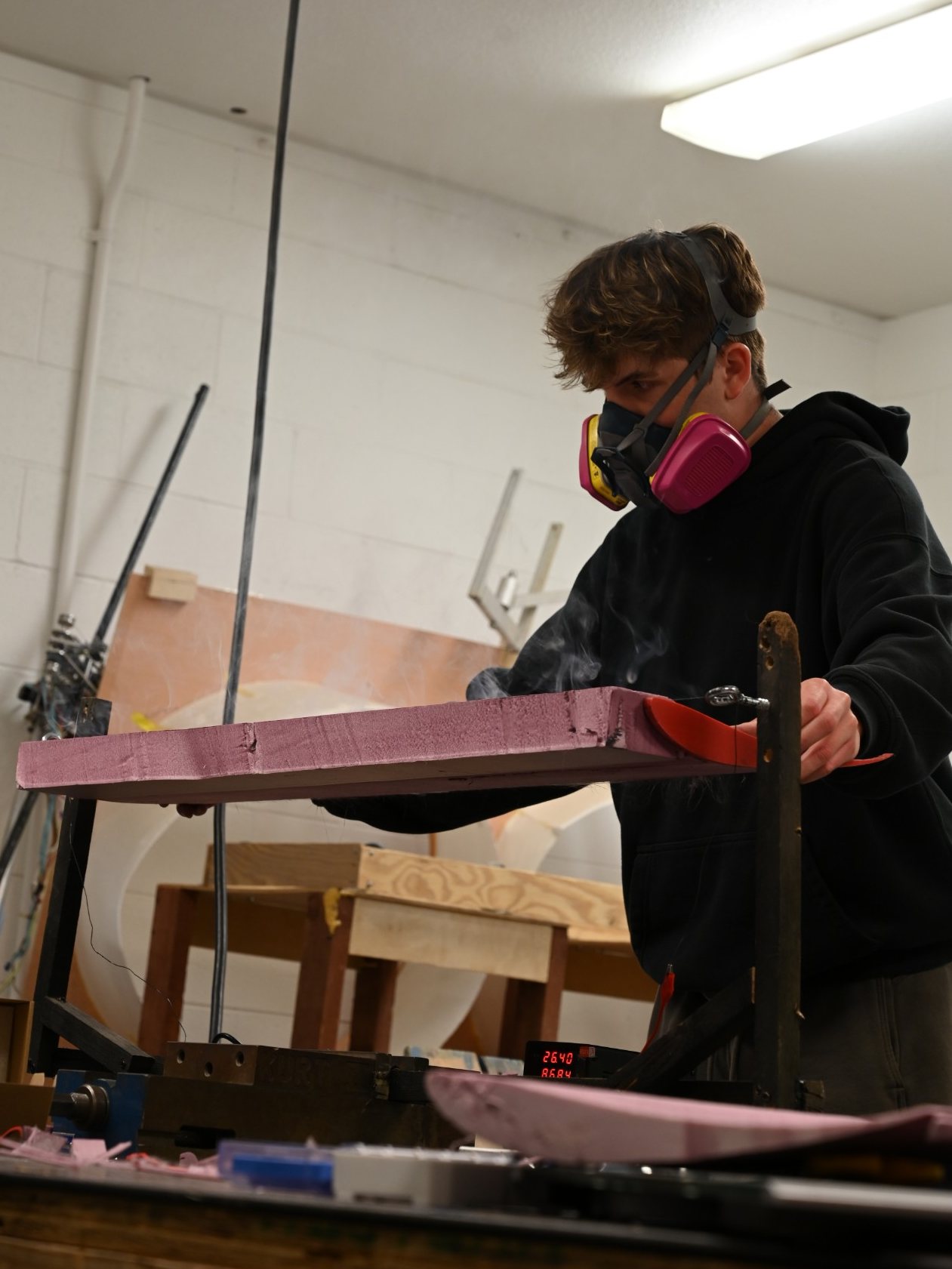
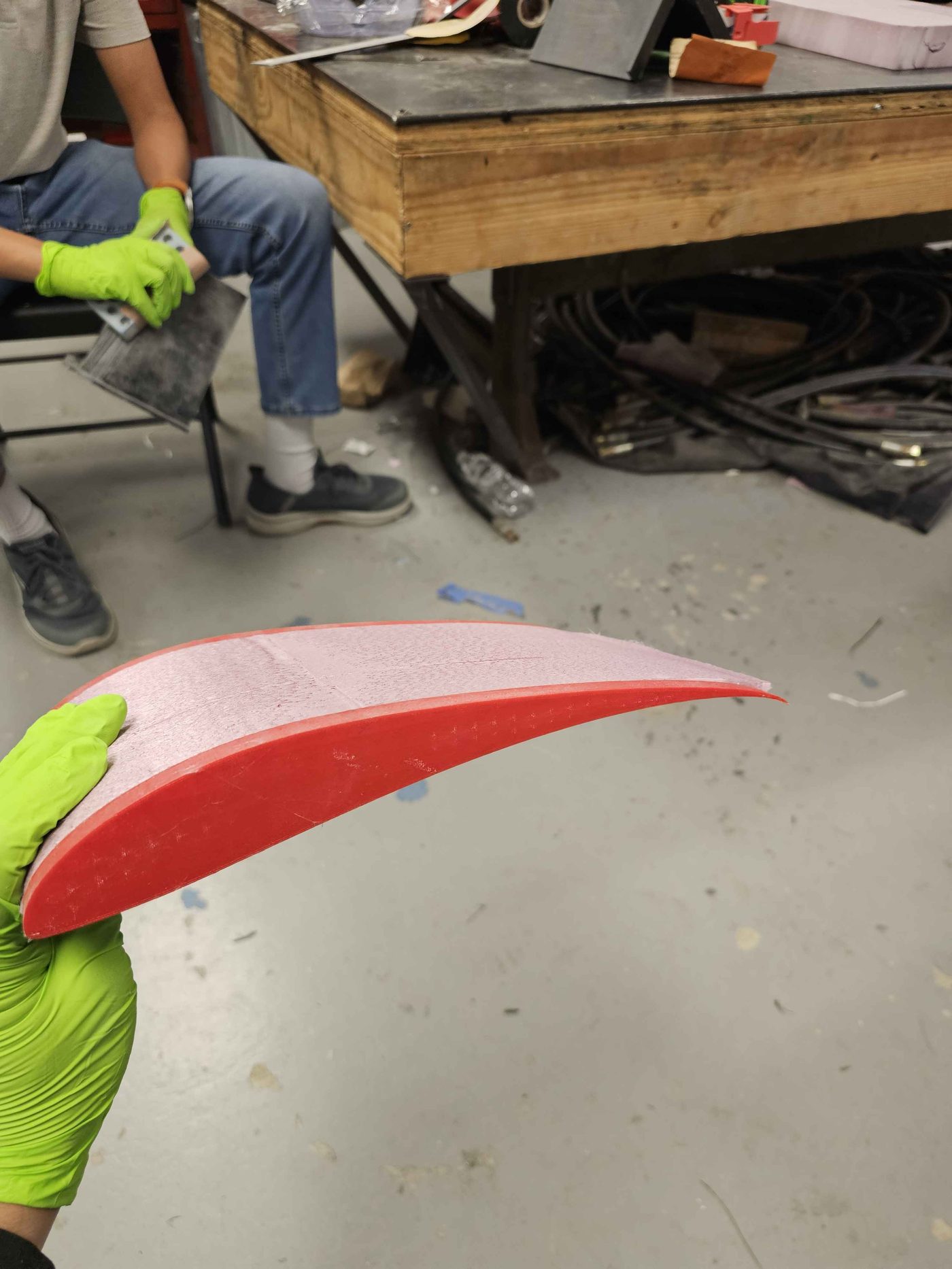
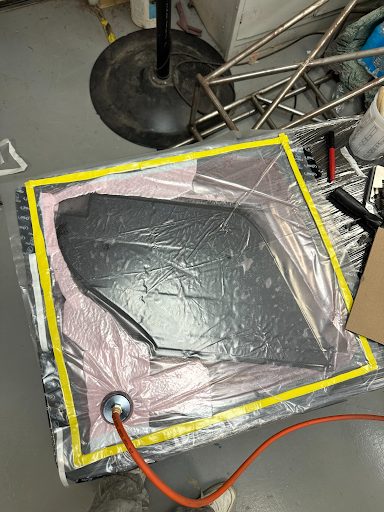
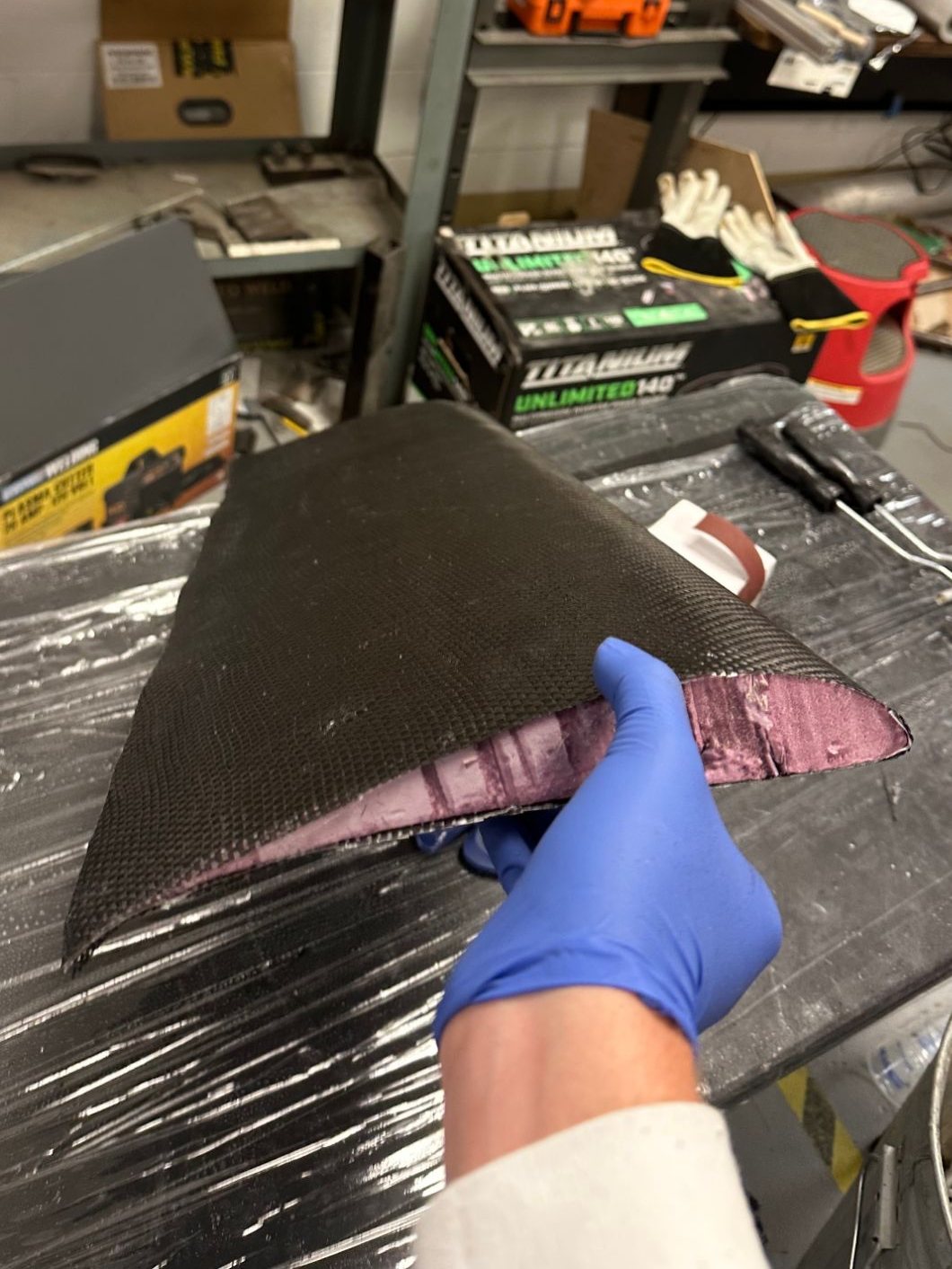
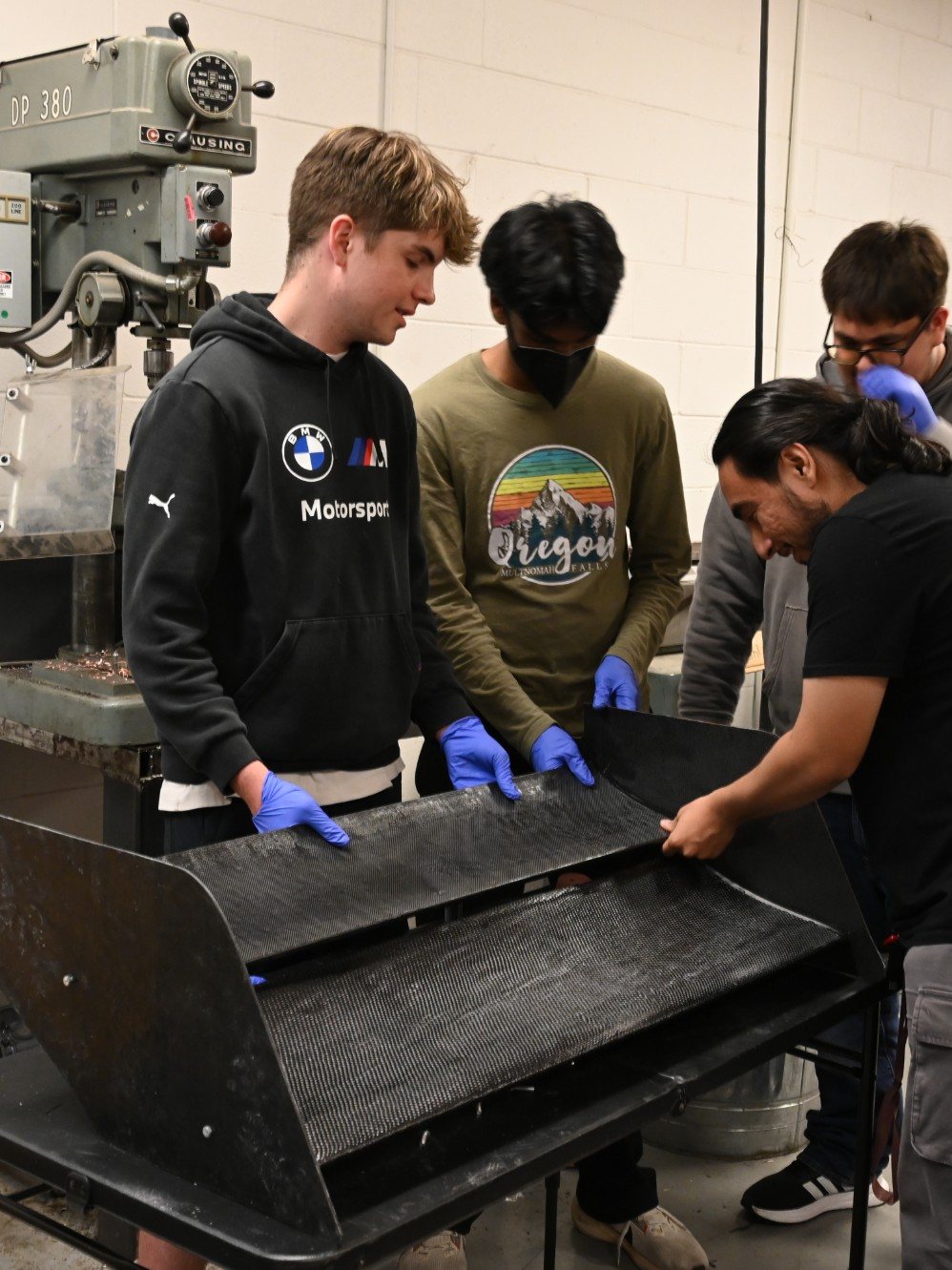
I cut the cores, laid the carbon, and bagged and finished every element by hand.
I built the open-source SO-101 arm and taught it to pick and place. I teleoperate the follower with a matching leader arm to record demonstrations, then train an imitation-learning policy that runs the task on its own.
I designed the whole arm: the structure, the actuator assemblies, the wiring, and the software. Every joint is a NEMA 17 stepper turning a 3D-printed 19:1 planetary gearbox I designed for the torque and stiffness the arm needed.
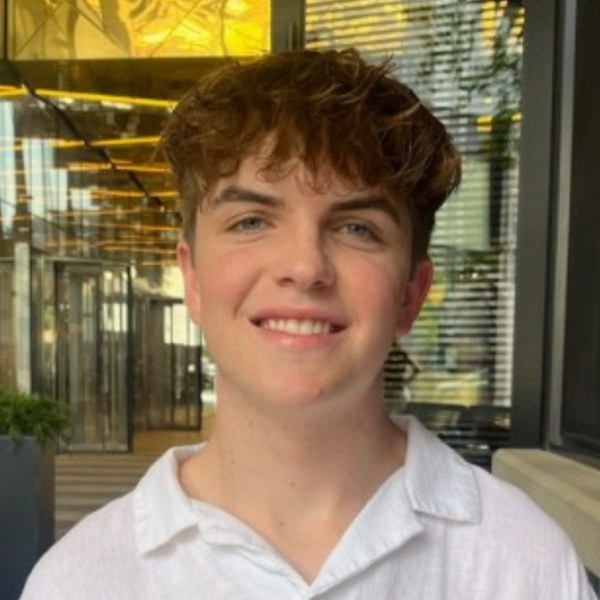
I'm from Fresno and study mechanical engineering at UC Merced, graduating in May 2028. I'm most interested in aerospace, automotive, and robotics. Outside of engineering, I'm into soccer, investing, and economics.